The Art of Seasonal Decorating: How to Keep Your Home Fresh Year-Round Without Cluttering Your Storage

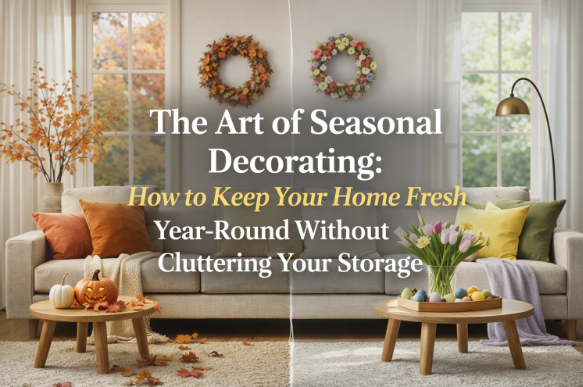
There's something magical about walking into a home that feels perfectly in tune with the season. In spring, you notice fresh florals and airy fabrics. Summer brings in vibrant colors and casual coastal vibes. Fall wraps you in warm textures and rich earth tones, while winter sparkles with cozy layers and candlelit corners. Yet many of us struggle with seasonal decorating, either avoiding it entirely because it seems overwhelming, or going overboard and ending up with storage units packed with holiday bins.
The real art of seasonal decorating isn't about completely redecorating your home four times a year or spending a fortune on theme-specific items you'll only use for a few weeks. Instead, it's about understanding how to create a flexible foundation that welcomes seasonal accents naturally, knowing which changes make the biggest impact, and building a manageable collection of versatile pieces that earn their keep year after year.
Let me share a fundamentally different approach to seasonal decorating, one that keeps your home feeling current and fresh without turning your garage into a storage nightmare or your bank account into a seasonal decorating fund.
Building Your Forever Foundation
The biggest mistake people make with seasonal decorating is choosing base pieces—furniture, large rugs, major light fixtures—in trendy seasonal colors or themes. That gorgeous pumpkin-orange sofa might feel perfect in October, but you'll regret it every other month of the year. Your foundation should be timeless and neutral, creating a canvas that welcomes seasonal layers beautifully.
Think of your foundational pieces as the walls of a gallery. Museums don't repaint their walls for every exhibition; they choose neutral backgrounds that make the art shine. Your sofa, dining table, bed frame, and major area rugs should work seamlessly across all seasons. This doesn't mean boring—it means choosing classic colors and quality pieces that you genuinely love regardless of what month appears on the calendar.
Neutrals don't have to mean beige, either. Charcoal gray, warm taupe, soft white, navy blue, and even black can all serve as excellent foundational colors. The key is choosing shades with staying power that complement rather than compete with your seasonal accents. When you invest in these forever pieces, you're actually saving money in the long run because you won't feel pressured to replace major items as trends and seasons change.
This foundational approach also gives you tremendous freedom. With a neutral base, you can swing from bright and bold summer colors to moody autumn tones without anything feeling forced or mismatched. Your seasonal decorating becomes about adding layers rather than replacing everything, which is infinitely more sustainable, affordable, and storage-friendly.
The Power Player: Textiles That Transform
If I had to choose just one category for seasonal decorating, it would be textiles without hesitation. Swapping out throw pillows, blankets, table linens, and occasionally curtains gives you maximum visual impact with minimal storage requirements and reasonable investment.
The magic of textiles is how they instantly communicate a season's feeling. Lightweight linen and cotton in pale colors whisper of spring and summer. Chunky knits, velvet, and flannel in deeper tones announce autumn and winter's arrival. The transformation happens quickly, doesn't require tools or expertise, and can be as subtle or dramatic as you prefer.
Building a smart textile collection means thinking strategically about colors and patterns. Instead of buying pillows covered in spring tulips, summer seashells, fall pumpkins, and winter snowflakes, choose patterns and colors that evoke seasons without being literal. A set of pillows in soft yellow and green feels spring-like without screaming "Easter." Rich burgundy and burnt orange invoke autumn without needing leaf prints. Ocean blues and sandy beiges capture summer's essence without cartoon beach balls.
Consider creating mini capsule collections for each season, similar to how you might organize your wardrobe. For spring, perhaps you have pillows in blush pink, soft green, and cream, plus a lightweight throw in a complementary color. Summer might bring in blues, whites, and a touch of coral. Fall introduces burnt orange, deep green, and chocolate brown, while winter features rich reds, forest green, and plenty of cozy textures. Store each season's collection together in a single bin, and swapping them out becomes a quick, enjoyable ritual rather than an exhausting project.
Don't overlook the impact of table linens, either. A fresh set of placemats and napkins can completely change your dining area's vibe for minimal cost and storage space. Runner rugs in different colors or patterns for high-traffic areas like entryways also make a surprising impact. These smaller textile changes accumulate to create a cohesive seasonal shift throughout your entire home.
Bringing the Outdoors In: Nature as Your Free Decorator
Here's a decorating secret that costs almost nothing and never goes out of style: use nature as your seasonal decorator. Every season offers natural materials that capture its essence perfectly, and incorporating them into your home creates an authentic, organic connection to the world outside your windows.
Spring invites fresh branches with budding leaves, tulips and daffodils from the garden or farmers market, and flowering branches like forsythia or cherry blossoms arranged in simple vases. The key is keeping arrangements loose and natural rather than overly structured. A handful of wildflowers in a mason jar can be just as impactful as an expensive floral arrangement.
Summer brings in different opportunities. Fill bowls with shells, driftwood, or smooth stones collected from beach walks. Display fresh herbs from your garden in pretty containers on your kitchen windowsill. Arrange fresh lemons or limes in a bowl for a pop of bright color that also makes your home smell amazing. Large leafy branches or ornamental grasses create dramatic arrangements that feel perfectly suited to summer's abundance.
Fall is perhaps the easiest season for natural decorating. Gather colorful leaves, acorns, pinecones, and interesting branches during walks. Arrange mini pumpkins and gourds on your mantel or dining table. Create a bowl centerpiece with a mix of nuts in their shells—walnuts, hazelnuts, and acorns look beautiful together and cost almost nothing. Dried wheat stalks or ornamental corn add height and texture to arrangements.
Winter's natural materials are equally striking. Evergreen branches, pinecones, and holly berries bring the season indoors. Bare branches spray-painted white or silver create elegant, sculptural arrangements. Bowls of winter citrus like oranges and pomegranates add color during the darker months. The best part about decorating with nature is that you can compost or return these materials to the outdoors when you're ready for the next season, eliminating storage concerns entirely.
Strategic Lighting: Setting the Seasonal Mood
Lighting might seem like a permanent fixture in your home, but it's actually one of your most powerful tools for seasonal transformation. The way you light your space dramatically affects its mood and can signal seasonal shifts as effectively as any decoration.
Different seasons call for different lighting approaches. Spring and summer benefit from maximizing natural light. Keep window treatments minimal or open during the day, and choose cooler-toned bulbs that mimic daylight. Add mirrors across from windows to bounce light around rooms. Your evening lighting should still feel bright and energizing, matching the longer days and active outdoor lifestyle these seasons encourage.
As fall arrives, begin shifting toward warmer lighting that creates cozy pockets throughout your home. This is when layered lighting really shines. Instead of relying on overhead fixtures, incorporate more table lamps, floor lamps, and accent lighting. Switch to warm-toned bulbs that cast a golden glow. The same room that felt bright and airy in summer now feels intimate and welcoming simply by adjusting how it's lit.
Winter takes this concept even further. This is the season for candles, string lights, and soft illumination that combats the early darkness outside. Group candles of varying heights on trays for safe, beautiful displays. Drape string lights along mantels, bookshelves, or even inside glass vases for subtle sparkle. Use dimmers if you have them, or simply turn on fewer lights at once to create that cozy winter feeling.
The beauty of using lighting for seasonal decorating is that many of these changes are free—it's just about being more intentional with what you turn on and when. Candles and string lights are affordable seasonal additions that pack a huge decorating punch and require minimal storage space.
The Kitchen: Small Seasonal Shifts with Big Impact
Your kitchen is the heart of your home and the perfect place for subtle seasonal decorating that feels natural and functional. Since you're in this space daily, small changes here have an outsized impact on how your entire home feels.
Seasonal kitchen decorating can be as simple as switching out your dish towels and pot holders. Bright, cheerful patterns for spring and summer give way to richer, cozier designs in fall and winter. These practical items are constantly visible, so updating them creates an immediate seasonal shift. Display seasonal fruit in a beautiful bowl—berries in summer, apples and pears in fall, citrus in winter, and fresh spring fruits as they become available.
Your tableware offers another opportunity for seasonal expression without requiring a complete set for every season. Invest in classic white or neutral everyday dishes, then add seasonal salad plates, mugs, or serving pieces that change with your mood. A set of floral salad plates for spring, bright colored pieces for summer, earthy tones for fall, and perhaps something festive for winter gives you variety without overwhelming your cabinet space.
Consider how you organize and display items too. Open shelving or glass-front cabinets can showcase your seasonal pieces, making them part of your décor. Rotate what's visible based on the season. Store your summer entertaining platters front and center when you're hosting outdoor gatherings, then swap them for soup tureens and baking dishes as cooler weather arrives.
Fresh herbs growing in small pots on your windowsill work beautifully as kitchen décor while serving a practical purpose. Basil and cherry tomatoes scream summer, while rosemary and thyme feel more autumnal. This living décor costs little, provides fresh ingredients, and naturally connects your kitchen to the season outside.
Outdoor Spaces: Your Seasonal First Impression
If you have any outdoor space at all—a front porch, entryway, patio, or balcony—this is where seasonal decorating makes its strongest first impression. Outdoor seasonal decorating is expected and welcomed by visitors, so you can be bolder here than you might be inside your home.
A well-decorated entrance sets the tone for your entire home. A seasonal wreath on your door is the classic choice for good reason—it's highly visible, easy to change, and available at every price point. But don't stop there. Flank your entrance with potted plants that reflect the season. Spring bulbs in colorful containers, summer's cascading flowers, fall mums, and winter evergreens create a welcoming progression throughout the year.
Door mats are another small investment that makes a big statement. A seasonal door mat that says "Hello Spring" or features autumn leaves tells visitors that you pay attention to details. These mats are affordable, store flat, and instantly update your entrance.
For patios and balconies, think about comfort and functionality by season. Spring and summer call for bright cushions, lightweight throws for cool evenings, and plenty of greenery. Fall and winter might mean swapping to warmer-colored cushions, adding heavier blankets, and incorporating lanterns or string lights for extended evening use. You're creating outdoor rooms that evolve with how you actually want to use them.
Container gardens deserve special mention because they're the ultimate flexible seasonal décor. The same pots that hold bright annuals in summer can showcase ornamental kale in fall, evergreen arrangements in winter, and flowering bulbs in spring. By replanting containers rather than buying new ones, you maintain a cohesive look while keeping things seasonally appropriate.
Creating Your Seasonal Decorating System
The difference between people who easily keep their homes seasonally fresh and those who find it overwhelming often comes down to having a system. Without a plan, seasonal decorating feels like starting from scratch multiple times a year. With a system, it becomes a simple, even enjoyable, routine.
Start by taking inventory of what you already have. Sort your current seasonal items by season and honestly assess what you actually use versus what's taking up valuable storage space. If you haven't used something in two seasonal cycles, consider donating it. This initial purge makes everything else easier.
Next, identify gaps in your collection using the categories we've discussed: textiles, natural elements, lighting, kitchen items, and outdoor décor. You don't need everything at once. Build your seasonal collection gradually, adding a few quality pieces each year rather than buying everything in one overwhelming shopping trip. This approach is more affordable and ensures you're choosing items you truly love rather than just filling space.
Create a storage system that makes seasonal transitions easy. Clear bins labeled by season work well because you can see what's inside. Store each season's items together so you're not hunting through multiple boxes. Keep an inventory list taped to each bin's lid noting what's inside—this helps you remember what you have and prevents duplicate purchases.
Schedule your seasonal transitions. You don't need to change everything the instant a new season begins, but setting aside time makes it happen. A Saturday morning every three months to swap out textiles, rotate décor pieces, and adjust your outdoor spaces keeps your home feeling current without constant decorating.
Living Beautifully Through Every Season
Seasonal decorating isn't about perfection or creating a showroom home. It's about creating a living space that reflects the rhythms of the year and makes you excited to be home regardless of what's happening outside. When done thoughtfully, seasonal decorating becomes less about consuming and more about curating—choosing pieces you love, arranging them in ways that bring joy, and creating a home that feels intentional and welcoming.
The goal is finding your personal balance between a home that never changes and one that requires a complete overhaul every few months. By focusing on a neutral foundation, strategic textiles, natural elements, thoughtful lighting, and small touches in key areas, you create a system that's sustainable, affordable, and genuinely enjoyable.
Your home should tell the story of the life you're living right now, and that life naturally changes with the seasons. Embrace that change without letting it overwhelm you. Start small, build gradually, and remember that the best seasonal decorating feels effortless because it's authentic to how you actually want to live. When you open your door on a crisp autumn morning or a bright spring afternoon, your home should feel like it's welcoming the season right along with you.
About the Author