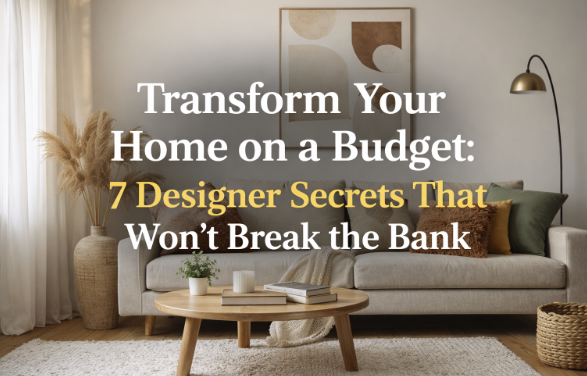
Transform Your Home on a Budget: 7 Designer Secrets That Won't Break the Bank

Walking into a beautifully decorated home feels like stepping into a sanctuary. The lighting sets the perfect mood, every room flows seamlessly into the next, and thoughtful touches make the space feel both personal and polished. But here's the secret that interior designers don't always share upfront: creating that magazine-worthy look doesn't require a five-figure budget or a complete renovation.
The truth is, transforming your home into a space you absolutely love is more about smart choices than expensive purchases. Whether you're moving into a new place, refreshing a room that's feeling stale, or simply wanting to fall back in love with your home, the principles of great design remain the same regardless of your budget. Let's explore how you can achieve that designer look without the designer price tag.
The Power of Lighting: Your Home's Most Underrated Feature
If there's one element that professional designers obsess over, it's lighting. Think about it: the same room can feel completely different at various times of day, and that's all because of how light interacts with the space. Yet lighting is often one of the most overlooked aspects when people decorate their homes.
The key to exceptional lighting isn't installing expensive fixtures throughout your home. Instead, it's about layering different types of light to create depth and ambiance. Start by identifying three types of lighting in each room: ambient (your overhead lights), task (reading lamps, under-cabinet lighting), and accent (decorative pieces that highlight artwork or architectural features).
Consider a living room transformation. Rather than relying solely on that harsh overhead fixture, add a floor lamp in a dark corner to create a cozy reading nook. Place a table lamp on a side table to provide soft, warm light for evening conversations. Suddenly, your space has dimension and feels intentionally designed. The best part? You've created a completely different atmosphere without painting a single wall or buying new furniture.
Don't underestimate the impact of changing out dated light fixtures, either. Swapping an outdated dining room chandelier for a modern statement piece can instantly update your entire space. Look for fixtures that complement your style while providing the right amount of light for the room's function. A dramatic pendant light over a kitchen island doesn't just illuminate your workspace; it becomes a conversation piece that defines the character of your kitchen.
Strategic Use of Textiles: The Fastest Room Refresh
Here's a designer trick that works every single time: when a room feels flat or uninviting, the solution often lies in textiles. Throw pillows, blankets, curtains, and rugs do more than add comfort; they introduce texture, color, and pattern that bring a room to life.
The beauty of using textiles as your primary design tool is how easily you can change them with the seasons or your evolving taste. Love warm, cozy vibes in winter? Layer chunky knit throws and velvet pillows throughout your living spaces. Ready to embrace spring? Swap them out for lightweight linens and cotton in fresh, bright colors. This approach keeps your space feeling current and personal without requiring major investments.
When selecting textiles, think about creating visual interest through variety. Mix different textures like smooth silk with nubby linen, or pair a plush velvet pillow with a woven cotton one. Play with scale in your patterns, too. A large geometric print can anchor a sofa beautifully, while smaller, more intricate patterns work well as accents. The goal is creating a collected, layered look rather than everything matching perfectly.
Area rugs deserve special mention because they're absolute workhorses in home design. The right rug can define a seating area in an open floor plan, add warmth to hardwood floors, and tie together all your furniture pieces. A common mistake is choosing rugs that are too small. In living rooms, your front furniture legs should rest on the rug. In dining rooms, the rug should extend at least 24 inches beyond the table on all sides so chairs can pull out comfortably while remaining on the rug.
The Kitchen: Small Changes, Big Impact
Your kitchen sees more daily use than almost any other room in your home, so why not make it a space you truly enjoy? The good news is that refreshing your kitchen doesn't mean gutting it and starting over. Strategic updates to this hardworking space can completely change how it looks and functions.
Start with the items you use every day. Matching canisters for your countertop staples like coffee, sugar, and flour instantly make your kitchen look more organized and intentional. Display your most beautiful dishes on open shelving or in glass-front cabinets. Not only does this free up cabinet space, but it also adds personality and visual interest to your kitchen.
Consider the impact of updating your kitchen textiles and small accessories. New dish towels, pot holders, and a gorgeous table runner can introduce your favorite colors into the space. A modern soap dispenser and a stylish utensil holder near the stove are both functional and decorative. These small touches accumulate to create a cohesive, well-designed look.
Don't forget about practical decorative elements. A beautiful fruit bowl encourages healthy eating while adding a pop of color to your counter. Herb pots on a sunny windowsill bring life into the space and give you fresh ingredients for cooking. A coffee station with your favorite mugs displayed on hooks makes your morning routine feel like a ritual rather than a rush.
Bedroom and Bathroom Sanctuaries
Your bedroom and bathroom should feel like personal retreats, places where you can truly relax and recharge. Creating this sanctuary feeling doesn't require expensive renovations, just thoughtful attention to the details that matter most.
In the bedroom, your bed is the focal point, so invest your energy there first. Quality bedding makes an enormous difference in both comfort and appearance. Think about hotels you've loved staying in—their beds always look inviting because they're layered properly. Start with crisp, clean sheets, add a duvet or comforter, layer on decorative pillows, and finish with a throw blanket at the foot of the bed. This creates depth and makes your bed look like something out of a design magazine.
Lighting in the bedroom deserves special attention. Overhead lights should be dimmable if possible, and bedside lamps are essential for reading and creating ambiance. Consider the height of your nightstand lamps; the bottom of the shade should be at eye level when you're sitting up in bed, so you get light where you need it without glare.
In the bathroom, small upgrades create a spa-like atmosphere. Matching towels in a color you love, a coordinating bath mat, and a shower curtain that complements your overall design scheme make a huge difference. Add some practical luxury with a bamboo bath caddy, elegant soap dispensers, and storage solutions that keep clutter at bay. Plants that thrive in humidity, like pothos or ferns, bring life to the bathroom while improving air quality.
Outdoor Spaces: Extending Your Living Area
If you have outdoor space, whether it's a sprawling backyard, a modest patio, or a small balcony, treating it as an extension of your home multiplies your usable living area. Outdoor spaces offer unique opportunities for creating environments that feel both relaxing and entertaining-ready.
The foundation of any great outdoor space is comfortable seating. Weather-resistant furniture has come a long way in both style and affordability. Look for pieces that suit how you'll actually use the space. If you love morning coffee outside, prioritize a cozy chair and small table. If you entertain frequently, invest in seating that accommodates groups.
Lighting transforms outdoor spaces from daytime-only areas to enchanting evening retreats. String lights create instant ambiance and are incredibly affordable. Solar-powered path lights improve safety while adding a decorative element. Lanterns, whether candle-powered or battery-operated, provide portable light that you can arrange however suits your needs.
Don't overlook the power of plants and greenery in outdoor spaces. Container gardens work beautifully for any size area, from large patios to tiny balconies. Mix heights and textures, combining trailing plants with upright ones, and flowering varieties with interesting foliage. Even if you don't consider yourself a gardener, there are plenty of low-maintenance options that provide maximum visual impact with minimal effort.
Creating Cohesion Throughout Your Home
One thing that separates professionally designed spaces from haphazard ones is cohesion. This doesn't mean every room needs to match perfectly, but there should be elements that tie your home together and create flow from one space to the next.
Consider establishing a color palette that runs throughout your home. This might be three to five colors that appear in varying proportions in different rooms. Perhaps navy blue is your primary color in the living room but appears as an accent in your bedroom. Maybe the green from your kitchen herbs influences your choice of throw pillows in adjacent spaces. This creates visual connections that make your home feel intentional and well-designed.
Repeat certain materials or finishes throughout your home as well. If you love the warmth of wood, incorporate it in various rooms through furniture, frames, or decorative objects. If metallics appeal to you, choose one primary finish (like brushed brass or matte black) and use it consistently in light fixtures, cabinet hardware, and accessories.
The goal isn't rigid matching, but rather creating a sense that a thoughtful person with consistent taste lives in and has curated the space. This approach also makes shopping easier because you have guidelines that help you make decisions quickly and confidently.
Your Home, Your Way
The most important principle in creating a home you love is making choices that reflect your personal style and serve your lifestyle. Design trends come and go, but your home should be a place where you feel comfortable, inspired, and truly yourself. Use these designer secrets as a framework, but don't be afraid to break rules if something else feels right for your space.
Remember that transforming your home is a journey, not a destination. You don't need to tackle everything at once. Start with the space that bothers you most or the room where you spend the most time. Make changes gradually, living with them for a while before moving to the next project. This approach not only makes home design more affordable, but it also ensures that every choice you make is one you'll love for years to come.
Your home is more than just a place to live; it's the backdrop for your life's best moments. With some strategic thinking and smart choices, you can create a space that looks designer-level beautiful while staying well within your budget. The secret isn't spending more—it's spending wisely on the things that matter most and using design principles that professionals rely on every day. Now it's time to look at your space with fresh eyes and start making it everything you've dreamed it could be.
About the Author