
Exploring the Charming History and Fascinating World of Outdoor Decorative Birdhouses
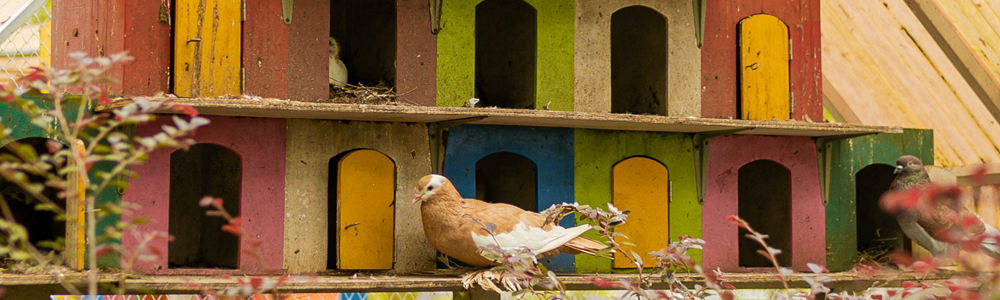
Table of contents
- Ancient Origins:
- Medieval Europe:
- Victorian Era:
- 20th Century and Beyond:
- Modern Designs and Materials:
- Functional Considerations:
- Benefits Beyond Nesting:
- Conclusion
Outdoor decorative beautifully crafted birdhouses have long captivated the imagination of nature enthusiasts, providing a delightful way to attract and observe avian species up close. These miniature dwellings not only serve as functional nesting sites for birds but also add aesthetic appeal to gardens, parks, and backyards. In this article, we will embark on a journey through the rich history of outdoor decorative birdhouses, uncovering their origins, evolution, and the diverse designs that have delighted bird lovers for centuries.
Ancient Origins:
The concept of providing artificial nesting sites for birds traces its roots back to ancient civilizations. From ancient Egypt to Rome, early cultures recognized the benefits of attracting birds to their surroundings and devised creative ways to accommodate them.
In ancient Egypt, the purple martin (Progne subis), a species known for its insect control abilities, held a special place of reverence. Egyptians constructed hollow gourds or pottery vessels, placing them strategically in their gardens and along the banks of the Nile. These artificial nesting sites attracted purple martins, allowing the Egyptians to harness their natural pest control services while enjoying their melodious songs. The Egyptians' ingenuity in creating these artificial homes demonstrates an early understanding of the ecological benefits birds bring to agricultural settings.
The Romans, too, appreciated the presence of birds and sought to provide them with suitable shelters. They devised various methods to attract purple martins, swallows, and other avian species. One method involved creating small alcoves within buildings, specifically designed to house birds. These alcoves, known as "hirundaria," were strategically placed under the eaves of Roman villas, providing safe and convenient nesting sites for swallows and other species.
In China, a different approach was taken to encourage birds to nest near human settlements. Hollowed-out bamboo shoots were used as bird shelters, offering a natural and eco-friendly alternative to other artificial nesting structures. The Chinese recognized the importance of attracting birds to their agricultural fields, as the birds' insectivorous diet helped control pests and increased crop yields.
Moving beyond the ancient world, similar practices can be found across different cultures and continents. Native Americans, for instance, constructed gourd birdhouses to attract purple martins, harnessing their pest control abilities and forming a mutually beneficial relationship.
These early examples of providing artificial nesting sites for birds highlight the enduring fascination humans have had with these feathered creatures. Whether motivated by the practical benefits of pest control or simply appreciating the beauty and melodies of birdsong, ancient civilizations recognized the value of inviting birds into their immediate surroundings.
The ancient origins of outdoor decorative birdhouses set the stage for their continued evolution and widespread popularity in later periods. From humble beginnings to the elaborate structures of medieval Europe and the Victorian era, the desire to connect with nature and create habitats for avian species has remained a constant throughout human history. The legacy of these ancient practices can be seen today in the diverse array of beautifully crafted birdhouses that adorn gardens, parks, and backyards, inviting both birds and humans to appreciate the wonders of the natural world.
Medieval Europe:
During the medieval period, outdoor decorative birdhouses took on new forms and became increasingly ornamental. As interest in gardens and horticulture grew, so did the desire to incorporate aesthetically pleasing structures into the natural landscape. This era witnessed the emergence of beautifully crafted wooden birdhouses that resembled miniature houses, adding a touch of charm and whimsy to gardens, castles, and monastic grounds.
The construction of elaborate birdhouses became an art form, attracting skilled artisans who took great pride in their craftsmanship. These birdhouses were often placed in strategic locations, allowing residents and visitors to enjoy the sights and sounds of songbirds up close. The popularity of these structures soared among nobility and the clergy, who sought to create serene and picturesque settings within their estates.
In addition to their decorative purposes, medieval birdhouses served practical functions as well. Birds were valued for their ability to control pests, such as insects and rodents, which could damage crops and spread disease. By providing artificial nesting sites, landowners encouraged birds to inhabit their lands, creating a natural defense against agricultural pests.
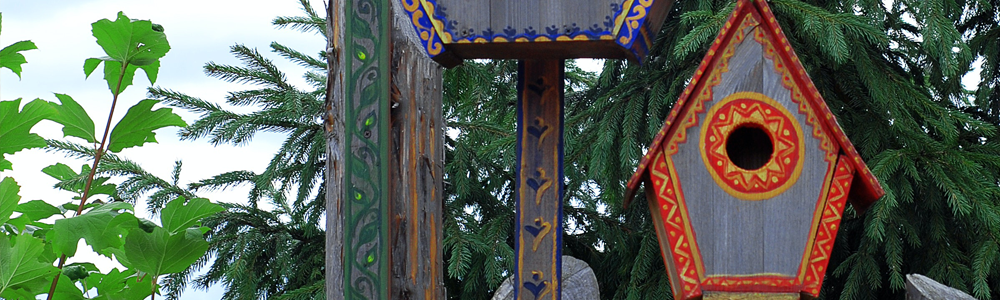
The designs of medieval birdhouses ranged from simple huts to intricate miniaturized versions of grand manors. Craftsmen meticulously carved and painted the wooden structures, adorning them with delicate details such as miniature doors, windows, and even miniature gardens surrounding the beautifully crafted birdhouses. These artistic creations showcased the skill and creativity of the artisans, transforming the birdhouses into works of art.
One notable example of medieval birdhouse artistry is found in the monastic gardens of Europe. Monasteries, known for their beautiful gardens and dedication to the natural world, often incorporated birdhouses into their landscapes. These birdhouses were not only functional but also symbolized the monks' reverence for nature and their appreciation of the divine presence within all living creatures.
As the popularity of birdhouses grew, so did the variety of species they were designed to attract. Different bird species have unique nesting requirements, and medieval craftsmen took these factors into account when constructing their birdhouses. Varying sizes of entry holes, internal dimensions, and nesting materials were carefully considered to accommodate the preferences and needs of different birds.
The enchanting birdhouses of medieval Europe added a touch of magic and beauty to the outdoor spaces of the time. They created an atmosphere that celebrated the harmony between nature and human civilization, inviting birds to become an integral part of the landscape. These miniature dwellings served as focal points within gardens, captivating the imaginations of onlookers and fostering a sense of wonder and appreciation for the natural world.
The legacy of medieval birdhouses can still be seen today in the architectural features of some gardens and parks. Elements inspired by medieval design, such as miniature towers, intricate carvings, and ornate details, continue to grace outdoor spaces, capturing the essence of a bygone era.
In conclusion, the medieval period marked a significant turning point in the evolution of outdoor decorative birdhouses. The fusion of functionality and artistry created structures that not only provided shelter for birds but also added an enchanting and captivating element to the outdoor landscape. The influence of medieval birdhouses can still be felt today, reminding us of our enduring fascination with birds and our desire to bring a touch of beauty and whimsy to our outdoor spaces.
Victorian Era:
The Victorian era, spanning from the mid-19th to the early 20th century, was a time of great innovation, social change, and a flourishing interest in natural history. This period witnessed a remarkable surge in the popularity of outdoor decorative birdhouses, which became highly coveted and sought-after additions to gardens and estates.
Victorian birdhouses were distinguished by their elaborate designs and intricate details, reflecting the opulence and decorative exuberance of the era. These miniature mansions for birds were often constructed with a variety of materials, including wood, metal, glass, and even precious metals like silver and gold. The skilled artisans of the time dedicated their talents to creating stunning birdhouses that showcased the finest craftsmanship.
One of the key factors driving the demand for decorative ornate birdhouses during the Victorian era was the growing fascination with birds as decorative elements in gardens. Birds were regarded as living ornaments, with their vibrant plumage and melodious songs bringing life and color to outdoor spaces. By providing exquisite birdhouses, Victorian gardeners aimed to attract an array of avian species, transforming their gardens into vibrant and harmonious havens.
The architectural styles of Victorian birdhouses drew inspiration from various sources, including Gothic, Queen Anne, and Renaissance Revival. These birdhouses featured intricate carvings, ornamental moldings, and decorative elements such as finials, pediments, and balconies. Some even had miniature stained glass windows, adding a touch of elegance and charm.
The use of wrought iron was particularly prevalent in Victorian birdhouses. Delicate ironwork was incorporated into the design, forming intricate patterns and filigree. The ornate ironwork not only served as an aesthetic embellishment but also provided additional structural support and protection for the birdhouse.
Victorian birdhouses were not solely intended for functionality but also served as status symbols and reflections of the owner's taste and wealth. They were often displayed prominently in gardens or mounted on pedestals, becoming focal points of admiration and conversation. The grandeur of these birdhouses emphasized the owner's appreciation for both nature and the finer things in life.
Beyond their aesthetic appeal, Victorian decorative birdhouses also played a role in avian conservation efforts. During this era, naturalists and ornithologists began to recognize the importance of providing suitable nesting sites for birds and actively promoted the use of birdhouses. This newfound interest in bird conservation further contributed to the popularity of birdhouses among Victorian gardeners and enthusiasts.
The Victorians' love for birds extended beyond mere decoration. They embraced the study of birds and their behavior, leading to the emergence of the field of ornithology. Birdwatching, or "birding," became a popular pastime, with enthusiasts meticulously documenting bird species and their nesting habits. The presence of birdhouses in gardens provided an opportunity for closer observation and study of these captivating creatures.
The legacy of Victorian birdhouses can still be observed in the present day. Many historic gardens and estates feature beautifully restored or replicated Victorian birdhouses, preserving the elegance and charm of that era. Moreover, the Victorian influence can be seen in contemporary birdhouse designs, with elements such as intricate woodwork, detailed carvings, and ornate accents still captivating bird lovers and garden enthusiasts.
In conclusion, the Victorian era was a golden age for outdoor decorative birdhouses. These exquisitely crafted structures represented a fusion of art, nature, and social status. Victorian birdhouses not only added aesthetic beauty to gardens but also played a role in the conservation and appreciation of birds. Today, they serve as a testament to the enduring appeal of these miniature architectural marvels and continue to captivate the imagination of bird enthusiasts and admirers of the Victorian era.
20th Century and Beyond:
The 20th century marked a significant turning point in the evolution of outdoor decorative birdhouses. As society became more aware of the importance of conservation and the need to protect bird populations, birdhouses took on new roles and designs, evolving to meet changing needs and preferences.
In the early 1900s, two influential figures played a pivotal role in popularizing birdhouses for conservation purposes. Naturalist John Burroughs and ornithologist T. Gilbert Pearson recognized the value of providing artificial nesting sites to support declining bird populations. Their efforts led to the development of standardized designs and the dissemination of birdhouse construction plans to the general public.
The introduction of standardized designs made birdhouses more accessible and affordable, enabling a wider range of people to participate in bird conservation efforts. These designs took into account the specific nesting requirements of different bird species, including considerations such as entry hole size, internal dimensions, ventilation, and predator protection. By adhering to these guidelines, bird enthusiasts could create effective and safe habitats for their feathered friends.
With the advancement of manufacturing techniques and the use of durable materials, the 20th century saw a shift in birdhouse construction. While traditional wooden birdhouses remained popular, new materials such as metal, recycled plastic, and resin emerged as viable options. These materials offered increased durability, weather resistance, and ease of maintenance, ensuring that birdhouses could withstand the elements and provide long-lasting shelter for avian occupants.
The designs of birdhouses became more diverse, catering to different bird species and aesthetic preferences. From classic shapes like traditional cottages and barns to more whimsical and creative designs, birdhouses began to reflect individual styles and artistic expressions. Some birdhouses were crafted to resemble famous landmarks, while others took the form of imaginative and decorative sculptures. The array of choices allowed bird enthusiasts to express their creativity and add a personal touch to their outdoor spaces.
As awareness of the importance of bird conservation grew, organizations dedicated to ornithology and environmental stewardship began to promote birdhouse installation and monitoring programs. Citizen science initiatives encouraged individuals to participate in data collection, monitoring nesting success, and tracking bird populations. Birdhouses became not only functional structures but also tools for scientific research, providing valuable insights into avian ecology and population dynamics.
Educational institutions and nature centers also embraced birdhouses as educational tools. Birdhouse-building workshops and educational programs for children and adults alike became popular, offering opportunities to learn about avian biology, behavior, and the importance of habitat conservation. Birdhouses provided a tangible and hands-on way to engage with nature and foster a deeper connection with the avian world.
In recent years, the concept of bird-friendly architecture has gained traction, emphasizing the integration of birdhouses and nest boxes into the design of buildings and urban spaces. As natural nesting sites become scarce in urban environments, providing artificial habitats can play a crucial role in supporting bird populations and enhancing biodiversity in cities.
The continued popularity of birdhouses in the 21st century is a testament to their enduring appeal and the collective efforts to protect and conserve bird species. By providing safe and suitable nesting sites, birdhouses contribute to avian conservation, promote biodiversity, and create opportunities for people to connect with nature in their own backyards.
In conclusion, the 20th century brought about important advancements and changes in the world of outdoor decorative birdhouses. From standardized designs for conservation purposes to the use of new materials and creative designs, birdhouses evolved to meet the needs and preferences of bird enthusiasts. Beyond their functional role, birdhouses have become educational tools, citizen science projects, and symbols of our commitment to protecting and appreciating the beauty of birds. As we move forward, birdhouses continue to serve as a bridge between humans and nature, reminding us of our responsibility to preserve and cherish the avian world
Modern Designs and Materials:
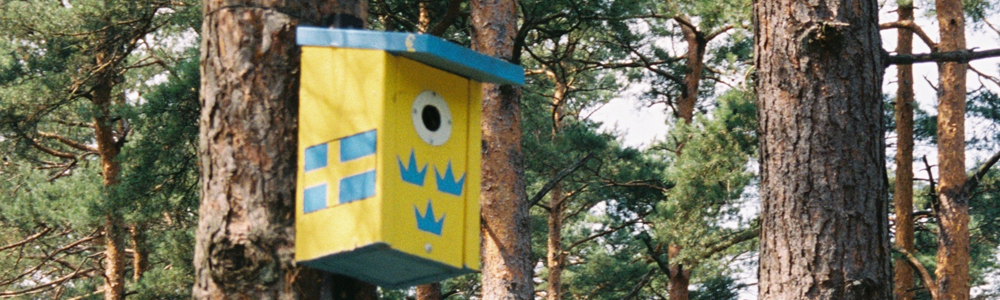
In the contemporary era, outdoor decorative birdhouses have embraced a wide range of modern designs and materials, catering to diverse tastes and addressing the practical considerations of bird conservation. These innovative designs not only enhance the aesthetic appeal of outdoor spaces but also provide functional and sustainable nesting habitats for avian species.
One notable trend in modern birdhouse design is the incorporation of eco-friendly and recycled materials. With increasing environmental awareness, bird enthusiasts and designers have embraced the use of recycled plastic, reclaimed wood, and other sustainable materials to construct birdhouses. This approach not only reduces waste but also ensures the longevity of the birdhouses, as these materials are resistant to rot, weathering, and degradation.
Metal birdhouses have also gained popularity in recent years due to their durability and sleek appearance. Stainless steel, copper, and aluminum are commonly used in the construction of modern metal birdhouses. These materials offer excellent resistance to the elements, ensuring that the birdhouses withstand harsh weather conditions and last for years. Metal birdhouses can be crafted into various shapes and sizes, allowing for innovative and contemporary designs that add a touch of modern elegance to outdoor spaces.
In addition to traditional materials, alternative materials such as recycled glass, ceramics, and even concrete have found their way into modern birdhouse designs. These unconventional materials provide unique textures, colors, and shapes, creating eye-catching and artistic birdhouses that double as decorative elements in gardens and urban landscapes.
Contemporary birdhouse designs also prioritize the specific nesting requirements of different bird species. Each species has distinct preferences for the size of the entry hole, interior dimensions, and ventilation. Modern birdhouse designs often incorporate adjustable entry hole sizes or interchangeable panels to accommodate a variety of bird species. This flexibility allows bird enthusiasts to attract specific birds and provides a higher likelihood of successful nesting.
Another important consideration in modern birdhouse design is predator protection. Birdhouses may feature predator guards, such as baffles or wire mesh, to prevent predators like squirrels, raccoons, and snakes from accessing the nesting compartments. These protective measures ensure the safety of nesting birds and increase the chances of successful fledging.
Furthermore, modern technology has made its way into the world of birdhouses. Some birdhouses are equipped with built-in cameras, allowing enthusiasts to observe nesting activity remotely. These birdhouses with live streaming capabilities provide an immersive experience, enabling people to witness the hatching, feeding, and fledging of baby birds in real-time. This technology has revolutionized bird watching, providing an intimate and educational glimpse into the lives of nesting birds.
In urban environments, where natural nesting sites are limited, modern birdhouses have adapted to fit the needs of city-dwelling bird species. Compact and space-saving designs, such as vertical birdhouses or rooftop installations, have become popular options for urban bird enthusiasts. These specialized birdhouses help create habitats in areas where green spaces are scarce, fostering avian diversity in urban ecosystems.
Modern birdhouses not only serve as functional nesting sites but also contribute to the conservation of birds. By providing artificial habitats, bird enthusiasts play an active role in supporting declining bird populations and promoting biodiversity in both rural and urban settings. Moreover, the presence of birdhouses in gardens, parks, and residential areas encourages community engagement, fostering an appreciation for the natural world and creating opportunities for birdwatching and educational experiences.
Functional Considerations:
Designing an effective birdhouse involves careful consideration of the specific bird species' nesting requirements. Factors such as the size and shape of the entry hole, interior dimensions, ventilation, and predator guards play a crucial role in attracting and protecting birds. Conservation organizations and birding enthusiasts often provide guidelines to ensure birdhouses are built with the birds' best interests in mind.
Benefits Beyond Nesting:
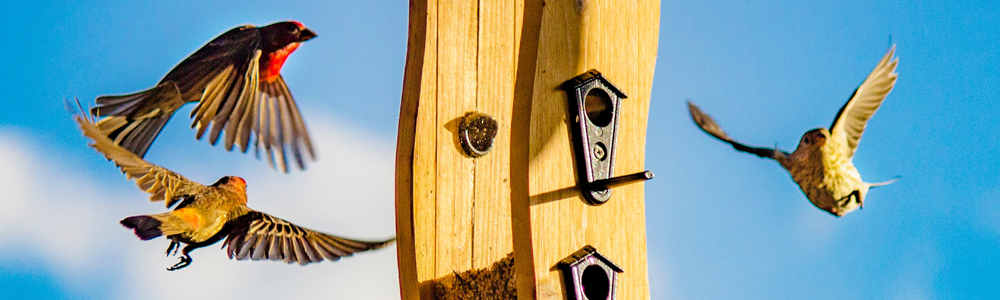
In addition to providing nesting opportunities for birds, outdoor decorative birdhouses offer a myriad of benefits that extend beyond the avian occupants themselves. These charming structures contribute to the well-being of both birds and humans, fostering a deeper connection with nature and enhancing the overall beauty and ecological balance of outdoor spaces.
One of the key benefits of birdhouses is their contribution to bird conservation efforts. Many bird species face habitat loss and declining populations due to urbanization, deforestation, and other human activities. By providing artificial nesting sites, birdhouses help mitigate these challenges and create safe havens for birds to breed and raise their young. This direct impact on bird populations supports biodiversity and ecological stability, as birds play vital roles in pollination, insect control, and seed dispersal.
Moreover, birdhouses offer opportunities for scientific research and citizen science initiatives. By monitoring birdhouse occupancy and breeding success, individuals can contribute valuable data to ornithological studies and conservation programs. Citizen scientists play a crucial role in tracking bird populations, identifying trends, and assessing the effectiveness of conservation measures. Birdhouses thus serve as valuable tools for ecological research and monitoring.
Birdhouses also provide educational value, particularly for children and aspiring naturalists. Watching birds inhabit and raise their young in birdhouses offers a unique and immersive learning experience. Children can observe the nesting process, learn about avian behavior and biology, and develop a sense of empathy and responsibility towards wildlife. Birdhouses spark curiosity, inspire a love for nature, and serve as gateways to environmental education and conservation.
The presence of birdhouses in outdoor spaces adds aesthetic appeal and a sense of tranquility. The colors, patterns, and shapes of birdhouses enhance the visual appeal of gardens, parks, and nature reserves, creating focal points and adding charm to the surroundings. The melodious songs and vibrant plumage of the avian occupants further enrich the sensory experience, fostering a deeper connection with the natural world and bringing a sense of joy and serenity to those who observe them.
Birdhouses also have the potential to attract tourists and nature enthusiasts. Birding has become a popular recreational activity worldwide, drawing visitors to areas renowned for their avian diversity. By incorporating well-designed and strategically placed birdhouses, communities can attract birdwatchers and eco-tourists, stimulating local economies and raising awareness about the importance of preserving natural habitats.
Additionally, birdhouses serve as indicators of environmental health. The presence of nesting birds signifies a thriving ecosystem, with sufficient food sources, nesting materials, and suitable habitats. Monitoring bird populations through birdhouses can provide valuable insights into changes in environmental conditions, such as pollution levels, habitat degradation, or the presence of invasive species. Birdhouses thus serve as early warning systems, highlighting the need for conservation and environmental stewardship.
Conclusion:
Outdoor decorative birdhouses have a rich and captivating history, evolving from simple functional structures to intricate and ornamental designs. Their charm and allure continue to inspire bird enthusiasts worldwide. By providing a safe haven for birds and fostering a deeper connection with nature, these delightful miniature dwellings enhance the beauty of outdoor spaces and contribute to avian conservation efforts. So, whether you're a bird lover, a gardening enthusiast, or simply appreciate the wonders of the natural world, consider adding a decorative birdhouse to your outdoor sanctuary.