
Illuminate Your Space: The Timeless Appeal of Decorative Candle Lanterns
Table of contents
- Section 1: A Brief History of Decorative Candle Lanterns
- Section 2: The Artistry of Decorative Candle Lanterns
- Section 3: Choosing the Perfect Decorative Candle Lantern for Your Space
- Section 4: Caring for and Maintaining Your Decorative Candle Lanterns
- Section 5: Creative Ways to Style and Display Your Decorative Candle Lanterns
- Conclusion
Candle lanterns have been a popular and versatile decorative element for centuries, and their timeless appeal continues to captivate homeowners and interior designers alike. These elegant lighting fixtures not only add a warm and inviting ambiance to any space, but they also serve as unique pieces of art that can be incorporated into various design styles. Throughout history, lanterns have evolved and transformed to suit the needs and preferences of different civilizations, cultures, and eras, resulting in an array of exquisite designs that can elevate the aesthetic of any home.
Today, decorative candle lanterns have become a staple in modern interior design due to their versatility, functionality, and inherent beauty. They can be used both indoors and outdoors, creating a cozy atmosphere and serving as a striking focal point in any setting. Whether you are looking to enhance a backyard patio, create an intimate dining experience, or simply add a touch of elegance to your living room, decorative candle lanterns are the perfect addition to your home.
In this article, we will delve deep into the world of decorative candle lanterns, providing a comprehensive overview of their history, the variety of materials and designs available, and the ways in which they can be used to enhance the aesthetic of your home. We will also discuss how to choose the perfect lantern for your space, creative styling ideas, and essential safety tips and maintenance practices to ensure the longevity and beauty of your lanterns.
As we explore the rich and fascinating history of decorative candle lanterns, you will gain a deeper appreciation for the artistry and craftsmanship behind these stunning fixtures, and be inspired to incorporate them into your own home decor. By thoughtfully selecting and styling your lanterns, you can create a warm and inviting atmosphere that transcends trends and endures the test of time. With a wide range of styles, materials, and sizes available, there is a perfect lantern waiting to illuminate your space and make a lasting impression.
Join us on this illuminating journey as we uncover the secrets behind the timeless appeal of decorative candle lanterns, and learn how to harness their enchanting glow to elevate your home's aesthetic to new heights.
Section 1: A Brief History of Decorative Candle Lanterns
Candle lanterns have a rich and varied history that dates back thousands of years, originating in ancient civilizations such as Egypt, Rome, and China. These early lanterns were primarily used as functional sources of light, guiding people through the darkness and providing a sense of safety and warmth. However, they also held great symbolic and decorative value, often featuring intricate designs and crafted from exquisite materials that showcased the wealth and status of their owners.
1.1 Ancient Civilizations
- In ancient Egypt, lanterns were typically made of stone, clay, or exotic metal candle lanterns, with slits or openings that allowed light to escape. These lanterns often featured carvings and intricate designs that reflected the culture's artistic sensibilities and religious beliefs.
- In ancient Rome, lanterns were commonly used for both practical and ceremonial purposes. They were crafted from materials such as bronze and featured detailed depictions of mythological figures, animals, and plants. These decorative elements not only served as a testament to the lanterns' owners' taste but also helped to spread Roman art and culture throughout the empire.
- In ancient China, lanterns were traditionally made from paper or silk and decorated with vibrant colors and intricate patterns, often featuring calligraphy and paintings. They played a significant role in Chinese culture, with the annual Lantern Festival serving as a celebration of light, hope, and prosperity.
1.2 The Evolution of Lantern Designs Throughout History
Over time, the design of candle lanterns evolved, reflecting changes in technology, materials, and artistic styles. As new cultures emerged and interacted with one another, they exchanged ideas and innovations, which led to the development of a diverse range of lantern styles and designs.
- In the Middle Ages, European lanterns were typically made from iron or other metals, featuring ornate filigree patterns and elaborate scrollwork. They were often used in churches, castles, and other important buildings, serving both practical and decorative purposes.
- During the Renaissance, glass became a popular material for lanterns, allowing for more elaborate designs and intricate patterns. These lanterns often featured stained glass, which added a touch of elegance and sophistication to the design.
- In the 18th and 19th centuries, the Industrial Revolution brought about new manufacturing techniques, making it easier to produce decorative candle lanterns on a larger scale. This period saw the rise of lanterns with more intricate designs, made from a variety of materials, such as brass, copper, and porcelain.
1.3 The Impact of Cultural Exchange on Lantern Styles and Materials
As different cultures interacted and traded with one another, they exchanged not only goods but also ideas and artistic styles, which greatly influenced the design and craftsmanship of decorative candle lanterns.
- Quality Moroccan candle lanterns, for example, are characterized by their intricate metalwork and colorful glass panels, reflecting the rich history and culture of North Africa and the Middle East.
- Asian lanterns, particularly from Japan and China, often feature delicate paper or silk shades, adorned with elegant calligraphy and intricate paintings that showcase the region's artistic heritage.
- Scandinavian lanterns, with their minimalist and functional designs, are made from materials such as wood and glass, reflecting the Nordic preference for simplicity and practicality.
In conclusion, the history of decorative candle lanterns is a fascinating tapestry of cultural exchange, artistic innovation, and technological advancements. From their ancient origins to their continued popularity in modern design, these captivating fixtures serve as a testament to the enduring appeal of light as both a practical and decorative element in our lives.
Section 2: The Artistry of Decorative Candle Lanterns
The diverse history of decorative candle lanterns has given rise to an impressive array of styles, materials, and designs. Each culture and era has contributed its unique touch to these captivating lighting fixtures, resulting in a rich tapestry of artistry that can cater to a wide range of tastes and preferences. In this section, we will delve deeper into the various materials and design styles found in decorative lanterns, as well as the influence of different cultures on their aesthetic.
2.1 Exploring the Various Materials Used in Crafting Lanterns
Decorative candle lanterns are crafted from a wide variety of materials, each offering its unique appeal and charm. The choice of material greatly influences the overall look and feel of a lantern, as well as its durability and maintenance requirements.
- Metal: Metal lanterns are commonly made from materials such as iron, brass, bronze, and copper. These lanterns often feature intricate patterns and filigree work, showcasing the skill and craftsmanship of the artisans who create them. Metal lanterns are known for their durability and are suitable for both indoor and outdoor use.
- Glass: Glass lanterns can range from simple and elegant designs to more elaborate and colorful creations. Stained glass, frosted glass, and etched glass are all popular choices for decorative lanterns, each adding a unique touch of beauty and sophistication. Glass lanterns are typically more fragile than metal lanterns and are best suited for indoor use or sheltered outdoor areas.
- Ceramic: Ceramic lanterns are often characterized by their earthy tones and rustic charm. They can feature intricate patterns, relief work, or hand-painted designs, making them a unique and eye-catching addition to any space. Ceramic lanterns are generally more delicate than metal or glass lanterns and should be handled with care.
- Wood: Wooden lanterns offer a natural and organic aesthetic, blending seamlessly with a variety of design styles, from rustic to contemporary. They can be crafted from a range of wood types, such as teak, oak, or bamboo, and often feature intricate carvings or inlay work. Wooden lanterns should be treated with appropriate finishes to protect them from the elements, particularly if used outdoors.

2.2 Traditional and Modern Design Styles
The design of decorative candle lanterns has evolved over the centuries, resulting in a diverse array of traditional and modern styles that cater to different tastes and preferences.
- Ornate: Ornate lanterns often feature intricate patterns, filigree work, or elaborate carvings, showcasing the skill and artistry of their creators. These lanterns are particularly suited to more traditional or opulent design styles, such as Baroque, Rococo, or Victorian.
- Minimalist: Minimalist lanterns are characterized by their clean lines, simple shapes, and understated elegance. These lanterns can easily blend with contemporary, Scandinavian, or modern design styles, providing a subtle and sophisticated touch to any space.
- Rustic: Rustic lanterns often feature natural materials, such as wood or ceramic, and have a more earthy and organic aesthetic. They are well-suited for country, farmhouse, or boho-chic design styles and can add a touch of warmth and charm to any room.
- Industrial: Industrial lanterns are typically made from metal and have a more rugged and utilitarian appearance. They often feature exposed hardware, such as bolts or rivets, and are well-suited for loft, urban, or industrial design styles.
2.3 The Influence of Different Cultures on Decorative Lanterns
Throughout history, the exchange of ideas and artistic styles between different cultures has greatly influenced the design and aesthetic of decorative candle lanterns.
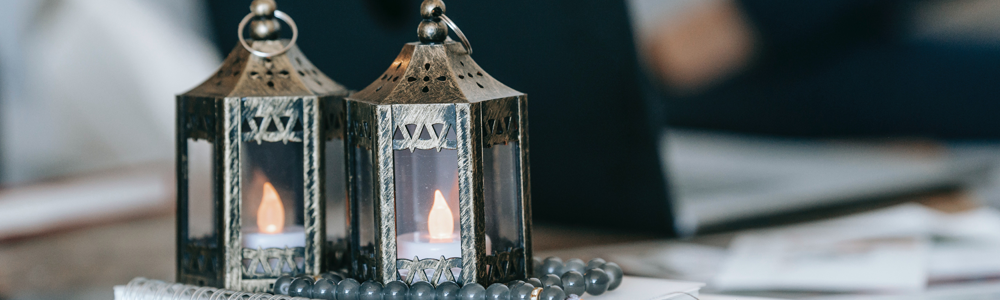
- Moroccan: Moroccan lanterns are known for their intricate metalwork and colorful glass panels, which create a captivating play of light and shadows when illuminated. These lanterns draw inspiration from the rich history and culture of North Africa and the Middle East, often featuring geometric patterns, arabesque motifs, and traditional Islamic art elements. Moroccan lanterns can add a touch of exotic elegance to any space, complementing bohemian, eclectic, or global design styles.
- Asian: Asian lanterns, particularly those originating from China and Japan, are characterized by their delicate paper or silk shades and elegant designs. These lanterns often feature calligraphy, nature-inspired motifs, and intricate paintings that showcase the region's artistic heritage. Asian lanterns can bring a sense of serenity and balance to any room, aligning with Zen, minimalist, or contemporary design styles.
- Scandinavian: Scandinavian lanterns are known for their minimalist and functional designs, made from materials such as wood, glass, or metal. These lanterns often feature clean lines, simple shapes, and a muted color palette, reflecting the Nordic preference for simplicity, practicality, and connection to nature. Scandinavian lanterns are well-suited for modern, minimalist, or hygge-inspired design styles.
Section 3: Choosing the Perfect Decorative Candle Lantern for Your Space
Selecting the ideal decorative candle lantern for your space involves considering various factors that will ensure the lantern not only complements your existing decor but also serves its intended purpose. In this section, we will delve into the essential elements to consider when choosing a lantern, such as size, shape, color, and material, as well as how to balance form and function to achieve the desired ambiance.
3.1 Factors to Consider When Selecting a Lantern
- Size: The size of your lantern should be proportionate to the space it will occupy. Consider the dimensions of the room, the height of the ceilings, and the scale of the surrounding furniture when selecting the appropriate size. Smaller lanterns work well as accent pieces, while larger lanterns can serve as focal points in a room or outdoor area.
- Shape: Lanterns come in a variety of shapes, from traditional rectangular or cylindrical designs to more unique and contemporary forms. Consider the overall design aesthetic of your space when selecting a lantern shape that complements and enhances the existing decor.
- Color: The color of your lantern can play a significant role in setting the mood and ambiance of a room. Choose a color that aligns with your preferred design style and color palette, whether you opt for a bold and vibrant lantern or a more subdued and neutral option.
- Material: As discussed in Section 2, lanterns are crafted from a wide variety of materials, each offering its unique appeal and charm. Consider the durability, maintenance requirements, and aesthetic properties of each material when selecting the perfect lantern for your space.
3.2 Balancing Form and Function
To achieve the perfect harmony between form and function, consider both the practical and decorative aspects of your lantern. This includes assessing factors such as:
- Lighting: Determine the primary purpose of your lantern—whether it will serve as a primary light source, an accent light, or purely decorative. This will influence the type of candle or alternative lighting solution you choose, as well as the lantern's overall design.
- Placement: Consider where your lantern will be placed, whether it's indoors or outdoors, on a tabletop, hanging, or mounted on a wall. Ensure the lantern's design and materials are suitable for its intended location and that it complements the surrounding decor and architecture.
- Versatility: If you plan to use your lantern in multiple settings or for various purposes, select a design that is versatile and adaptable. Consider options that can easily transition between indoor and outdoor use, or those that can be easily updated with seasonal decor or lighting options.
3.3 Incorporating Lanterns into Various Design Styles
Decorative candle lanterns can seamlessly blend with a wide range of design styles, from rustic to contemporary. Here are some tips for incorporating lanterns into different design aesthetics:
- Rustic or Farmhouse: Opt for lanterns made from natural materials, such as wood or ceramic, with earthy tones and rustic charm. Group together lanterns of varying sizes and shapes, or pair them with other rustic elements, such as reclaimed wood or vintage accessories.
- Modern or Minimalist: Choose lanterns with clean lines, simple shapes, and understated elegance. Focus on materials like metal or glass, and opt for a neutral color palette that complements the minimalist aesthetic. Avoid overly ornate designs or excessive embellishments.
- Bohemian or Eclectic: Embrace the exotic appeal of Moroccan or Asian lanterns, featuring intricate metalwork, colorful glass panels, or delicate paper shades. Mix and match lanterns of different styles, sizes, and materials to create a visually interesting and eclectic display.
- Traditional or Classic: Select lanterns with ornate designs, featuring intricate patterns, filigree work, or elaborate carvings. Materials like brass, bronze, or iron are well-suited for traditional design styles. Consider incorporating lanterns with stained glass or frosted glass panels for an added touch of elegance and sophistication.
3.4 Personalizing Your Decorative Lanterns
One of the benefits of incorporating decorative candle lanterns into your space is the opportunity to personalize them to suit your unique taste and preferences. Here are some ideas for customizing your lanterns:
- Lighting options: While traditional candles are a popular choice for lanterns, there are alternative lighting options available, such as LED candles, string lights, or even battery-operated fairy lights. Experiment with different light sources to create the desired ambiance and mood.
- Seasonal decor: Update your lanterns throughout the year with seasonal decor, such as fresh flowers in the spring, seashells in the summer, or small pumpkins and gourds in the fall. This allows your lanterns to remain a versatile and ever-changing element of your home's decor.
- DIY enhancements: Personalize your lanterns by adding your own artistic touch, whether it's through painting, decoupage, or adding embellishments like ribbons or charms. This not only allows you to create a one-of-a-kind piece but also adds a sense of personal connection to your decor.
Section 4: Caring for and Maintaining Your Decorative Candle Lanterns
To ensure that your decorative candle lanterns remain beautiful and functional for years to come, it is essential to care for and maintain them properly. In this section, we will discuss various tips and techniques for cleaning, protecting, and preserving your lanterns, as well as addressing any potential safety concerns.
4.1 Cleaning and Maintaining Different Materials
Each material used in crafting decorative candle lanterns requires unique cleaning and maintenance methods. Here are some tips for caring for lanterns made from various materials:
- Metal: To clean metal lanterns, use a soft cloth dampened with warm soapy water to gently remove any dirt or grime. For brass or copper lanterns, you may use a specialized metal cleaner or polish to restore shine and remove tarnish. Ensure the lantern is thoroughly dried to prevent rust or corrosion.
- Glass: Glass lanterns can be cleaned using a glass cleaner or a mixture of water and white vinegar. Spray the solution onto a soft cloth and gently wipe the glass surfaces, taking care not to apply too much pressure. Dry the glass with a clean, lint-free cloth to prevent streaks or water spots.
- Ceramic: Ceramic lanterns can be cleaned with a soft, damp cloth and a mild soap. Avoid using abrasive cleaners or scrubbing tools, as they may scratch the surface or damage the glaze. Dry the lantern with a soft, clean cloth after cleaning.
- Wood: Wooden lanterns should be dusted regularly with a soft, dry cloth to prevent the buildup of dirt and grime. To clean more thoroughly, use a damp cloth with a mild soap, ensuring not to saturate the wood. Dry the lantern with a clean cloth and apply a wood conditioner or polish if needed to maintain its finish.
4.2 Protecting Your Lanterns from the Elements
If you plan to use your decorative candle lanterns outdoors, it is essential to protect them from the elements to prevent damage and prolong their lifespan.
- Weather protection: Ensure that your lanterns are suitable for outdoor use, particularly if they are made from materials that may be susceptible to damage from moisture or extreme temperatures. Choose lanterns made from weather-resistant materials or apply protective coatings, such as sealants or varnishes, to shield them from the elements.
- Proper storage: During extreme weather or when not in use, store your lanterns in a cool, dry place to prevent damage. Avoid exposing your lanterns to direct sunlight for extended periods, as this may cause the colors to fade or materials to become brittle.
4.3 Addressing Safety Concerns
While decorative candle lanterns are generally safe to use, it is essential to follow certain precautions to prevent potential hazards.
- Candle safety: When using traditional candles in your lanterns, ensure they are securely placed and cannot tip over. Keep lit candles away from flammable materials and never leave them unattended. Trim the wick regularly to prevent excessive smoke or soot buildup inside the lantern.
- Alternative lighting options: If safety is a concern, consider using flameless LED candles or battery-operated fairy lights instead of traditional candles. These options provide the same warm, ambient glow without the risk of an open flame.
- Proper ventilation: When using candles in your lanterns, ensure there is adequate ventilation to prevent the buildup of heat and smoke. Some lantern designs may have small vents or openings to facilitate airflow, while others may need to be partially open to ensure proper ventilation.
Ultimately, caring for and maintaining your decorative candle lanterns involves cleaning and protecting them based on the materials they are made from, as well as addressing any safety concerns. By following these tips and techniques, you can ensure that your lanterns remain beautiful and functional for years to come, providing a
Section 5: Creative Ways to Style and Display Your Decorative Candle Lanterns
Decorative candle lanterns offer endless possibilities for styling and displaying in various spaces, both indoors and outdoors. In this section, we will explore a multitude of creative ideas for incorporating lanterns into your home decor, enhancing your living spaces, and creating stunning visual displays.
5.1 Indoor Styling Ideas
- Tabletop centerpieces: Create an eye-catching centerpiece for your dining table, coffee table, or console by grouping together lanterns of varying sizes, shapes, and styles. Arrange them with additional decorative elements, such as flowers, greenery, or seasonal ornaments, to elevate the display and create a dynamic visual impact.
- Fireplace mantel decor: Adorn your fireplace mantel with a row of lanterns, alternating between different sizes, colors, or materials to add depth and interest. Intersperse the lanterns with other decorative items, such as framed photos, sculptures, or vases, for a balanced and harmonious display.
- Bookshelf accents: Integrate lanterns into your bookshelves by placing them among your books or using them as bookends. This not only adds a touch of warmth and illumination to your book collection but also breaks up the monotony of rows of books with a unique decorative element.
- Bathroom retreat: Transform your bathroom into a relaxing sanctuary by incorporating lanterns into your decor. Place a few lanterns around your bathtub or on a bathroom shelf, creating a serene and calming ambiance perfect for unwinding after a long day.
5.2 Outdoor Styling Ideas
- Patio or porch ambiance: Enhance your outdoor living spaces by arranging lanterns on your patio or porch. Cluster them together on a table, hang them from the ceiling or eaves, or line them along the perimeter to create a warm and inviting atmosphere for entertaining or relaxing.
- Garden pathway lighting: Illuminate your garden pathways by lining them with lanterns, guiding your guests and creating a magical and enchanting outdoor setting. Use lanterns with weather-resistant materials and secure them in place with stakes or weights to prevent them from tipping over in the wind.
- Poolside glow: Elevate your poolside gatherings by placing lanterns around the pool area. Float them on the water using floating platforms or arrange them on the pool deck for a stunning and captivating display that reflects the flickering candlelight on the water's surface.
- Outdoor dining centerpiece: Enhance your outdoor dining experience by creating a lantern centerpiece for your dining table. Mix and match different sizes, shapes, and colors to create a vibrant and dynamic focal point for your alfresco gatherings.
5.3 Special Occasion and Event Displays
- Wedding decor: Incorporate decorative candle lanterns into your wedding decor to create a romantic and unforgettable ambiance. Use them as table centerpieces, line the wedding aisle, or hang them from trees or structures for an enchanting and whimsical touch.
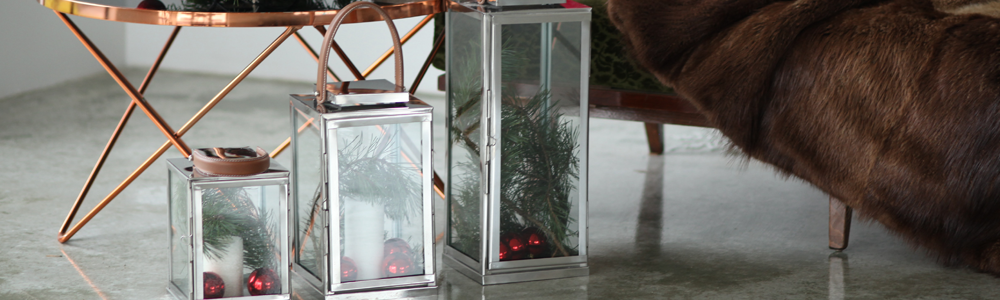
- Holiday celebrations: Decorate your home for the holidays by incorporating lanterns into your seasonal decor. Customize them with festive ornaments, ribbons, or greenery to celebrate occasions like Christmas, Halloween, or Easter.
- Themed parties: Use lanterns to create a unique atmosphere for themed parties or events. For example, choose Moroccan lanterns for a bohemian soiree, nautical lanterns for a beach-themed gathering, or vintage lanterns for a rustic celebration.
Conclusion:
Decorative candle lanterns offer a unique and timeless way to elevate the aesthetic of any space. By understanding their rich history, appreciating the artistry behind their design, and thoughtfully incorporating them into your home decor, you can create a warm and inviting atmosphere that transcends trends and endures the test of time. With a wide range of styles, materials, and sizes available, there is a perfect lantern waiting to illuminate your space and make a lasting impression. As you explore different ways to care for, style, and display these functional pieces of art, you will discover their versatility in enhancing various design styles and their ability to transform ordinary spaces into extraordinary experiences. Embrace the beauty and charm of decorative candle lanterns as a timeless addition to your home, and let their enchanting glow guide you through life's most memorable moments.