The History of Decorative Wall Sconces: A Journey Through Time

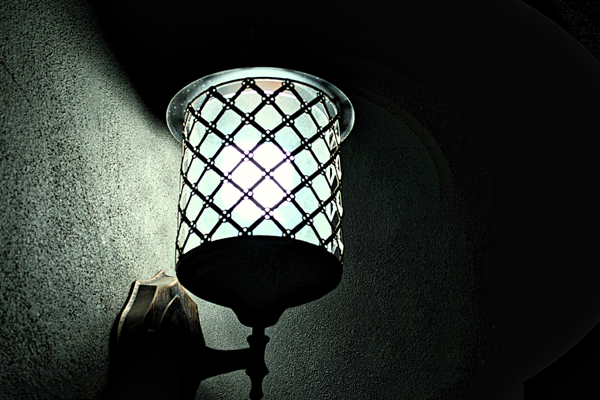
Decorative wall sconces have been an integral part of interior design for centuries, adding both function and beauty to a wide range of spaces. With their rich history and diverse styles, these elegant light fixtures have evolved over time to remain relevant in contemporary design. In this blog post, we'll delve into the fascinating history of decorative wall sconces, tracing their origins and examining the various styles and materials that have influenced their development throughout the years.
-
Ancient Beginnings: The First Wall Sconces
The origins of wall sconces can be traced back to ancient civilizations such as Egypt, Greece, and Rome. Early sconces were primarily functional, used to hold oil lamps or torches and provide light in dark spaces. These primitive sconces were often made from simple materials like wood, metal, or clay, and featured basic designs that focused on utility rather than aesthetics.
-
The Middle Ages: Sconces as Status Symbols
During the Middle Ages, decorative wall sconces began to take on more elaborate forms as craftsmen honed their skills and began experimenting with new materials and techniques. Sconces crafted from wrought iron, brass, or bronze became popular and were often adorned with intricate scrollwork, animal motifs, or heraldic symbols. Wealthy homeowners and religious institutions alike used these ornate sconces as a way to display their status and wealth, as well as to provide much-needed light in dimly lit spaces.
-
The Renaissance and Baroque Periods: The Golden Age of Wall Sconces
The Renaissance and Baroque periods marked the golden age of decorative wall sconces, as artists and craftsmen created increasingly elaborate and ornate designs. Sconces crafted from precious metals, such as gold and silver, were adorned with intricate carvings, enamel work, and even gemstones. Mirrored sconces also gained popularity during this time, as they helped to amplify light and create a sense of opulence and grandeur in large, ornate spaces.
-
The 18th and 19th Centuries: The Rise of Glass and Crystal Sconces
During the 18th and 19th centuries, glassmaking techniques improved, leading to the rise of glass and crystal wall sconces. This period saw the introduction of delicate, hand-cut crystal sconces that refracted light in dazzling patterns, adding a touch of luxury to any space. Glassmakers also began experimenting with colored glass, creating sconces in rich hues that added an extra layer of visual interest.
-
The 20th Century: Modern and Minimalist Sconces
In the 20th century, decorative wall sconces took on a more modern, minimalist aesthetic, as designers embraced clean lines and simple forms. Materials like chrome, stainless steel, and glass became popular choices, and sconces were designed to seamlessly integrate with a variety of interior design styles. This period also saw the rise of electric sconces, which provided a safer, more efficient alternative to traditional oil or gas lighting.
The history of decorative wall sconces is a fascinating journey through time, reflecting the ever-changing tastes and styles of various eras. From their humble beginnings as simple, functional light sources to their evolution into opulent, ornate works of art, wall sconces have remained a timeless and versatile element of interior design. Whether you're drawn to the elegance of antique sconces or the sleek simplicity of modern designs, there's a perfect wall sconce waiting to add a touch of history and charm to your home.
About the Author