Small Space, Big Life: The Art of Living Large in Compact Homes

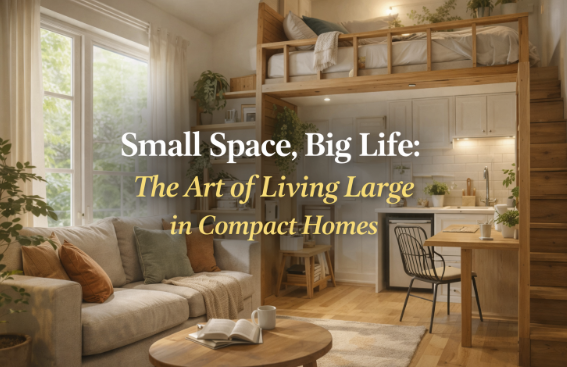
There's a peculiar assumption in our culture that bigger is always better when it comes to homes. More square footage equals more success, more comfort, more happiness. But anyone who's actually lived in a thoughtfully designed small space knows the truth: square footage has almost nothing to do with quality of life. Some of the most satisfying, functional, beautiful homes are compact spaces where every inch has been considered and nothing is wasted.
Small space living isn't about sacrifice or making do with less. It's about intentionality, creativity, and understanding that constraints often lead to better design solutions than unlimited space ever could. When you can't just buy another storage unit or dedicate an entire room to something you use twice a year, you're forced to think critically about what actually matters. This clarity creates homes that work harder, feel more personal, and often bring more joy than sprawling spaces filled with things you don't need or use.
Whether you're in a studio apartment, a compact condo, a tiny house, or just working with one particularly challenging small room, the principles of making spaces live large remain the same. It's not about tricks to make rooms look bigger or cramming in miniature versions of everything. It's about strategic design, smart furniture choices, and understanding how to create functionality and beauty within real constraints. Let's explore how to truly master small space living.
The Mindset Shift: From Lack to Luxury
The first and most important step in small space living is changing how you think about your square footage. If you approach your home from a mindset of "I don't have enough space," you'll constantly feel deprived and frustrated. If instead you think "I have exactly the space I need and I'm going to make it exceptional," everything changes.
Small spaces offer genuine advantages that large homes simply can't match. Less space means less to clean and maintain—imagine reclaiming all those hours spent cleaning rooms you barely use. Lower utility costs for heating and cooling mean more money for experiences and things you actually care about. Being forced to be selective about what you keep means living surrounded only by items that truly serve you or bring you joy. This isn't minimalism for its own sake; it's intentional curation that improves daily life.
Small spaces also force creativity and problem-solving that makes you a better designer of your own life. When you can't default to "just buy another shelf" or "put it in the spare room," you develop skills in spatial planning, multipurpose thinking, and prioritization. These skills transfer far beyond home design into how you make decisions and solve problems generally.
There's also something deeply satisfying about a well-designed small space. Everything is within reach. Nothing is excess. Your possessions earn their place. You can see and access everything you own rather than accumulating forgotten items in rarely-opened closets and basements. This creates a sense of control and clarity that sprawling homes often lack.
The mindset shift also involves rejecting societal messaging that equates home size with worth or success. Your home's value lies in how well it serves your life, not in how many square feet you can claim. A 600-square-foot space that perfectly supports your lifestyle is objectively better than a 2,500-square-foot house that's poorly organized, filled with clutter, and constantly stresses you out. Own your space with pride rather than apologizing for its size.
Furniture That Works Harder Than You Do
In small spaces, every piece of furniture needs to justify its existence. This doesn't mean sacrificing comfort or beauty—it means choosing pieces that offer multiple functions or adapt to different needs throughout the day. The right furniture transforms constraints into advantages.
Storage furniture is your best friend in compact living. Ottomans that open to reveal storage inside serve as seating, footrests, and hidden organization. Coffee tables with shelves or drawers underneath provide surface space while hiding remotes, magazines, and everyday items. Bed frames with built-in drawers eliminate the need for separate dressers. These aren't compromise pieces—modern designs are beautiful while being incredibly functional.
Modular and adaptable furniture gives you flexibility that fixed pieces can't match. A sectional sofa that can be rearranged into different configurations adapts as your needs change. Nesting tables can be spread throughout a room when entertaining or stacked compactly for daily life. Folding chairs that actually look good can be stored flat and brought out when needed. The key is choosing pieces that don't look makeshift or temporary but rather feel like intentional design choices.
Scale matters enormously in small spaces, and this is where many people go wrong. Counterintuitively, several tiny pieces of furniture often make spaces feel more cramped than fewer, appropriately sized pieces. A properly scaled sofa with storage underneath works better than a loveseat plus separate storage units. One substantial bookshelf makes a statement and provides ample storage, while multiple small shelves create visual clutter.
Multi-purpose furniture deserves special attention because this is where small space innovation really shines. Dining tables that extend when needed but stay compact daily. Desks that fold up against walls when not in use. Murphy beds that disappear to create living space during the day. These aren't novelties—they're sophisticated design solutions that genuinely improve how small spaces function.
The height dimension often gets ignored in small spaces, which is a massive missed opportunity. Tall bookcases draw the eye upward and provide more storage than sprawling low pieces. Lofted beds in studio spaces create distinct zones for sleeping and living. Wall-mounted desks and tables free up floor space while providing full functionality. Think vertically at every opportunity.
Zoning: Creating Rooms Within Rooms
One of the biggest challenges in small spaces—especially studios or open-concept layouts—is creating distinct zones for different activities without actual walls. The good news is that visual and functional separation doesn't require permanent structures. Strategic zoning makes compact spaces feel organized and purposeful rather than chaotic.
Furniture placement is your primary zoning tool. In a studio apartment, positioning your bed against one wall with the headboard serving as a divider, then placing a sofa with its back to the bed creates distinct sleeping and living zones. The sofa's orientation tells your brain "this is the living area" while making the bed feel separate rather than dominating the space. Area rugs reinforce these zones—one under your dining table, another defining your seating area—creating visual boundaries that signal different purposes.
Bookcases and shelving units make excellent room dividers because they provide storage while creating separation. A tall bookcase placed perpendicular to a wall can divide a sleeping area from a living space while remaining open enough to allow light and maintain flow. Open-back shelving works particularly well because it provides division without completely blocking sightlines, keeping the space feeling open.
Lighting creates psychological zoning even when furniture arrangement can't. Different light sources for different zones—a floor lamp by your reading chair, pendant light over your dining table, bedside lamp in your sleeping area—signal that these spaces have different purposes. When you're working at your desk, having task lighting there while keeping other areas more dimly lit helps your brain focus on work mode. When transitioning to relaxation, changing which lights are on shifts the entire feel of your space.
Curtains and screens offer flexible zoning that can be adjusted based on needs. A curtain hung from the ceiling can hide your bed during the day in a studio apartment or create privacy when needed while remaining open for normal use. Folding screens serve similar purposes and add visual interest while being completely movable. These solutions work especially well for renters who can't make permanent changes.
Color and style can create zones without physical barriers. Painting or wallpapering one wall in your sleeping area while keeping the rest neutral signals a distinct zone. Using different color palettes or design styles in different areas—even subtle variations—helps the brain categorize spaces by function. Your workspace might have cooler tones and minimal décor to support focus, while your relaxation area features warmer colors and softer textures.
The Vertical Frontier: Using Your Walls and Ceilings
Small space dwellers who only think horizontally are missing enormous opportunities. Walls and even ceilings offer storage, display, and functional space that doesn't consume precious floor area. Vertical thinking transforms what's possible in compact homes.
Wall-mounted storage is the obvious starting point but deserves sophisticated implementation. Floating shelves provide display and storage without the visual weight of furniture. Wall-mounted cabinets, especially in kitchens and bathrooms, offer significant storage capacity while keeping floors clear. Pegboards have evolved beyond garage utility to become stylish organizational solutions for everything from kitchen utensils to jewelry to craft supplies. The key is treating these wall elements as intentional design features rather than afterthoughts.
Hooks and rails multiply your functional space exponentially. A row of attractive hooks in your entryway creates a coat closet where none exists. Wall-mounted bike racks turn bicycles into art while freeing floor space. Rail systems in kitchens hang pots, utensils, and cutting boards within easy reach while creating visual interest. These solutions work because they make items accessible rather than hidden away, which actually improves functionality in small spaces where deep storage often means forgotten items.
Ceiling space is perhaps the most underutilized area in small homes. Overhead pot racks in kitchens are just the beginning. Ceiling-mounted bike storage, hanging planters, suspended shelving systems—these solutions think three-dimensionally. Even installing hooks in ceiling beams for hanging plants or lights draws the eye upward and makes spaces feel taller while serving functional purposes.
The space above doorways and windows rarely gets used but offers surprising potential. Shelving installed above doors creates storage for items you don't need constantly but want accessible. The area above windows can hold decorative items or lightweight storage. These high spaces keep visual clutter at eye level minimal while maximizing every possible inch.
Behind-door storage deserves mention because doors themselves offer significant real estate. Over-door organizers for shoes, accessories, cleaning supplies, or pantry items work in closets, bathrooms, bedrooms, and kitchens. Door-mounted hooks and racks add functionality without installation. Just ensure these solutions don't interfere with door operation or create hazards.
Color and Light: The Illusion of Space
While you can't actually change your square footage, strategic use of color and lighting genuinely affects how spacious your home feels. These aren't tricks or gimmicks—they're design principles based on how human perception works.
Light colors reflect light and make spaces feel more open and airy. This doesn't mean everything must be stark white—soft grays, warm creams, pale blues, and light taupes all create openness while adding personality. The ceiling in particular benefits from light colors because dark ceilings create a cave-like feeling that makes rooms feel smaller and more confined. If you love darker colors, use them as accents on a single wall or in accessories rather than enveloping small rooms entirely.
That said, the advice to only use light colors in small spaces is overstated. A small space painted in a color you love feels better than one painted in "appropriate" colors that don't resonate with you. Some people successfully use dark, moody colors even in compact spaces by ensuring excellent lighting and maintaining an uncluttered environment. The key is making intentional choices rather than defaulting to safe options you don't actually like.
Natural light is precious in small spaces and should be maximized rather than blocked. Use sheer curtains that filter light while maintaining privacy rather than heavy drapes that darken rooms. Keep window areas clear of furniture and clutter. Consider mirrors placed across from windows to bounce natural light deeper into your space. If your natural light is limited, this becomes even more critical—work with what you have rather than covering or blocking it.
Artificial lighting requires special attention in small spaces because it dramatically affects ambiance and functionality. Overhead lighting alone creates harsh shadows and doesn't provide task lighting where needed. Layer your lighting with ambient overhead, task lighting for specific activities, and accent lighting for atmosphere. This creates depth and allows you to adjust lighting based on what you're doing and the mood you want to create.
Mirrors serve double duty in small spaces by reflecting light and creating the illusion of depth. A large mirror on one wall can make a room feel nearly twice its actual size. Mirrored closet doors or cabinet fronts add this effect without requiring wall space. Just be strategic about placement—mirrors should reflect pleasant views or interesting elements rather than clutter or blank walls, which simply doubles what's unattractive.
The Art of Editing: What Stays, What Goes
Living well in a small space requires being thoughtful about what you keep. This isn't about deprivation—it's about curation. Every item in your home should either serve a clear function or bring you genuine joy. This discipline creates spaces that breathe rather than suffocate.
Start by categorizing your possessions honestly. Everyday essentials earn their keep easily. Sentimental items that genuinely matter deserve space even if they're not functional. But what about everything else? The clothes you might wear someday. The kitchen gadgets you use once a year. The decorative items you bought because they were on sale but don't actually love. These items aren't neutral—in small spaces, they actively work against you by consuming limited storage and creating visual clutter.
The one-in-one-out rule works beautifully for small space maintenance. When you acquire something new, something similar must leave. New shirt means an old shirt gets donated. New kitchen item means evaluating what's not getting used. This prevents the gradual accumulation that eventually overwhelms small spaces. It also makes you more thoughtful about purchases because you know you'll need to make room.
Digitization eliminates physical bulk for many items. Documents, photos, music, movies, and books can all exist digitally, freeing substantial space. This doesn't mean purging everything—physical books, photo albums, and collections you love should stay. But thoughtfully choosing what exists physically versus digitally gives you control over your space.
Seasonal rotation extends your effective storage capacity. Store off-season clothes, sports equipment, and décor elsewhere—at parents' homes, in a small rental storage unit, or in hard-to-access areas of your home. When seasons change, swap items out. This keeps your active storage containing only what's currently useful rather than housing everything you own all the time.
Regular editing sessions prevent slow accumulation. Every few months, walk through your space with fresh eyes. What are you not using? What no longer serves you? What's creating clutter without adding value? Small spaces require this maintenance to prevent gradually shrinking as possessions multiply. Think of it as regular space hygiene rather than massive purging projects.
Kitchen and Bathroom: Small Space Functionality
Kitchens and bathrooms in small homes require special attention because they're highly functional spaces with specific needs. Making these rooms work well despite limited square footage dramatically improves quality of life.
Small kitchens benefit enormously from vertical organization. Wall-mounted racks for knives, utensils, and frequently used tools keep counters clear while providing easy access. Stackable storage containers maximize cabinet space. Hooks inside cabinet doors hold measuring cups, pot lids, and other flat items. Magnetic strips on walls hold knives and metal tools. Every inch of vertical space should work for you.
Counter space is precious in compact kitchens. Appliances that live on counters should be things you use daily—everything else should be stored. Cutting boards that fit over sinks create temporary additional work surfaces. Rolling carts provide mobile counter space that can be tucked away when not needed. Think critically about what truly needs to be accessible versus what can be stored.
Compact bathrooms require similar strategic thinking. Wall-mounted organizers for toiletries keep counter space clear. Over-toilet shelving or cabinets use otherwise wasted vertical space. Hooks on doors and walls for towels and robes eliminate the need for bulky towel bars. Medicine cabinets provide hidden storage that doesn't consume room volume. Under-sink organizers maximize that awkward space around plumbing.
In both rooms, matching containers and consistent organization systems create visual calm. When everything is in mismatched packaging, small spaces feel chaotic. Transfer items to matching containers, use uniform storage solutions, and create systems you can maintain. This isn't about aesthetics alone—visual order makes small spaces function better because you can easily find what you need.
Living Large in Small Spaces
The art of small space living isn't about making your home feel bigger than it is—it's about making it work so well that size becomes irrelevant. When every item has a purpose and place, when furniture serves multiple functions, when you're surrounded only by things you use and love, square footage stops mattering. You're not living in a small space; you're living in a perfectly sized space for your life.
Small space living also offers unexpected gifts. It forces you to be intentional about what you bring into your life. It creates intimacy and coziness that large spaces often lack. It teaches you that happiness doesn't come from accumulation but from having exactly what you need and nothing you don't. These lessons extend far beyond home design into how you approach life generally.
The most important realization is that small space living is a skill that improves with practice. Your first small space might feel challenging. But as you learn what works, develop systems, and understand how to maximize every inch, you become increasingly capable. Many people who master small space living choose to remain in compact homes even when larger spaces become affordable because they've discovered the genuine advantages of living with less square footage and more intention.
Your small space isn't a temporary situation to tolerate until you can "upgrade" to something bigger. It's an opportunity to create a home that works exceptionally well, reflects your personality completely, and supports your life beautifully—all without the burden, expense, and maintenance of unnecessary space. That's not compromise; that's smart living.
About the Author